
Risk Management Strategy for Legionella in Domestic Hot Water
To prevent contamination by Legionella pneumophila in domestic hot water systems, regular testing, temperature control, and rapid-response strategies are essential. Here’s a practical and proactive approach:
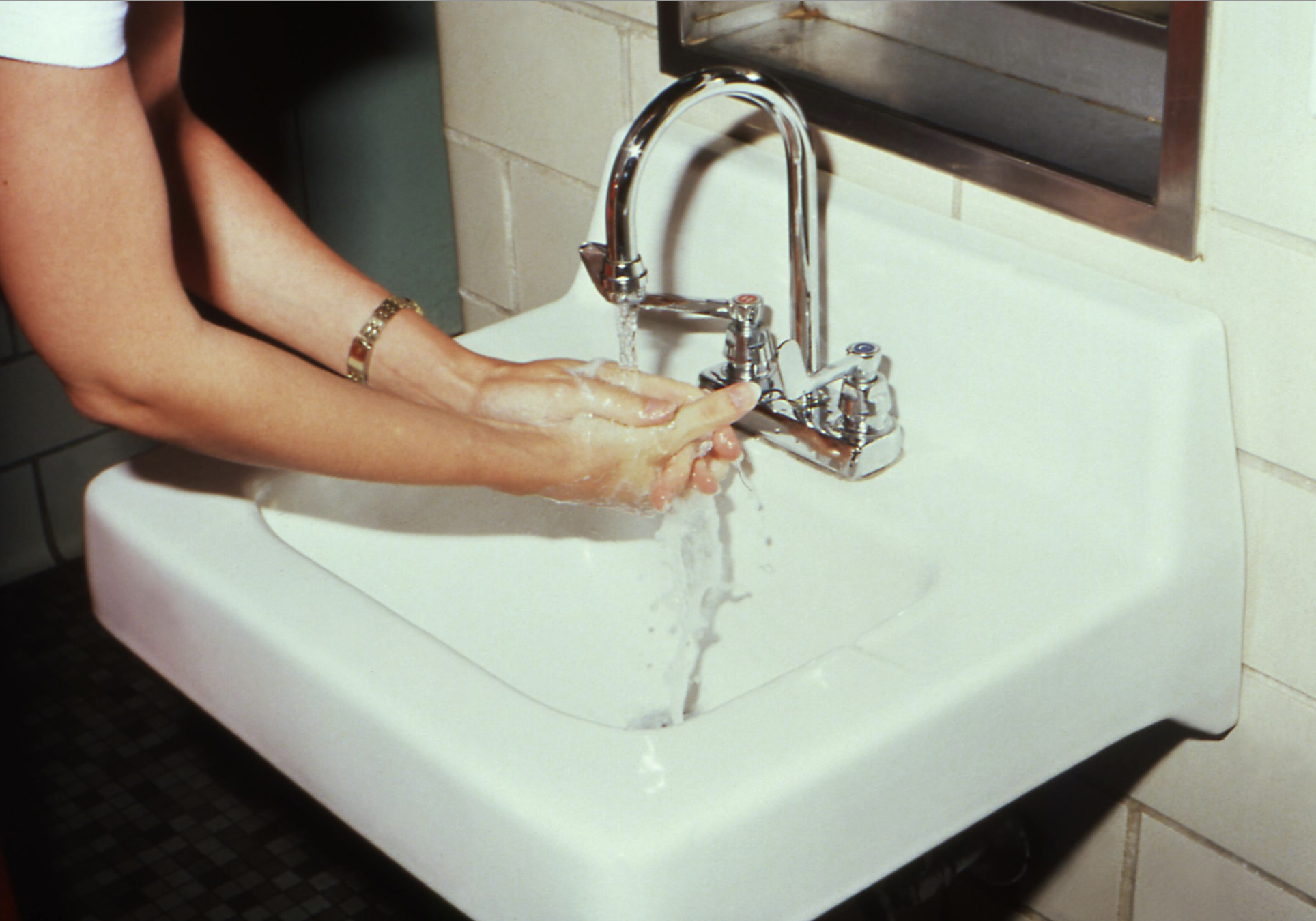
1. Temperature Control & Prevention of Water Stagnation
Legionella thrives in water temperatures between 25°C and 45°C, making it critical to maintain water storage at 60°C and ensure it reaches at least 50°C at outlets like taps and showers. To help with this, installing real-time temperature monitoring systems can alert you immediately if water temperatures fall into the danger zone, allowing for prompt corrective action.
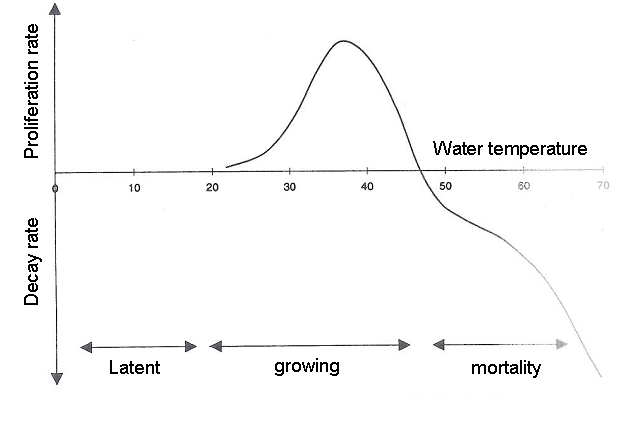
Effect of temperature on the survival of Legionella
Stagnation is another major risk factor, especially in rarely used taps or dead ends in piping. Regularly flushing these areas or using recirculation systems to keep the water moving is key to minimizing the risk of bacterial growth.
The World Health Organization's Water Safety in Buildings stresses the importance of both temperature control and preventing stagnation as essential measures in Legionella control.
2. Regular Maintenance & System Cleaning
Routine maintenance, such as cleaning and descaling hot water tanks, is necessary to remove sediments and biofilms where Legionella can thrive. The most common methods are :
- Periodic thermal shocks, where water is heated to over 70°C for short periods, are highly effective in killing bacteria throughout the system.
- Combining thermal shocks with chemical disinfection, such as chlorine treatments, adds another layer of protection against bacterial growth.
The UK’s Health and Safety Executive (HSE) highlights regular cleaning, thermal disinfection, and chemical treatments as core strategies for managing Legionella in water systems.
3. Proactive Monitoring, Regular Testing & Faster Methods
Proactive monitoring involves regularly testing strategic points in the water system, especially in areas prone to stagnation or temperature fluctuations. Real-time monitoring of temperature and chemical levels helps detect risks early.
Establishing clear contamination thresholds, such as 1000 CFU/L of Legionella, allows for immediate corrective actions like thermal shocks, chemical disinfection, or flushing and cleaning parts of the system. This approach helps catch potential problems before they escalate into serious health risks.
A research published in Environmental Science & Technology has shown, proactive monitoring and early intervention are critical in preventing Legionella outbreaks.

Routine microbiological testing is vital to ensuring the safety of your water system :
- Traditional methods often take several days to deliver results,
- but faster alternatives now exist, allowing for quicker intervention : they minimize the window of risk and help ensure that the system remains safe.
As emphasized in the European Technical Guidelines for the Prevention, Control and Investigation of Infections Caused by Legionella (2017)
- Frequent testing is a cornerstone of effective Legionella management
- And faster methods enable timely corrective actions when contamination is detected
Conclusion: Our Tips for Legionella prevention
Faster testing methods, consistent temperature control, regular system maintenance, and timely corrective measures are all essential components of a comprehensive Legionella management plan. By following these strategies, you can significantly reduce the risk of contamination and ensure a safe water system for all users.
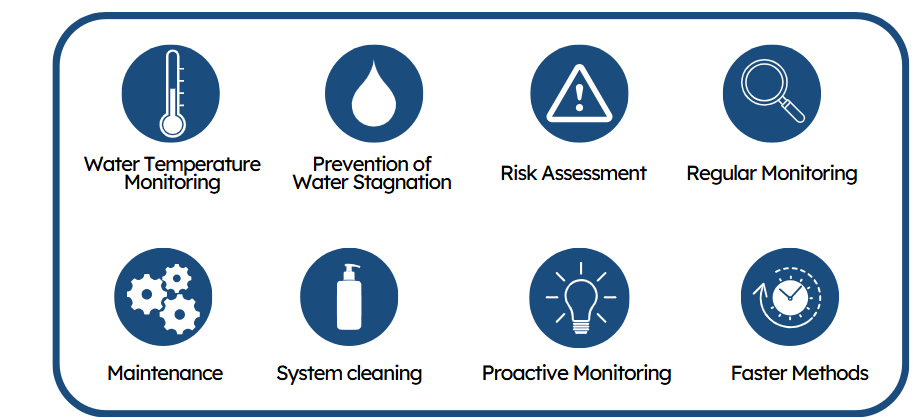
Health and social care providers should carry out a full risk assessment of their hot and cold water systems and ensure adequate measures are in place to control the risks.
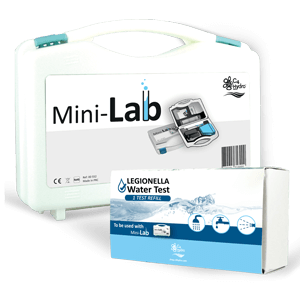
Our Solution : Legionella Water Test by C4Hydro
The Legionella Water Test supports the proactive and efficient Legionella management strategies highlighted before.
Its advantages include :
- Rapid detection capabilities : Delivers results within 48-72 hours, allowing for quick responses to contamination risks and reducing the critical window of exposure.
- Ease of use : Requires no specialized skills, confirmatory tests, or additional consumables.
- Reliable accuracy : Utilizes a cultural method to detect all serogroups of L. pneumophila, with thresholds of 1,000 CFU/L (72 hours) and 10,000 CFU/L (48 hours).
Read our Other Articles
Before the School Year: Remember to Detect Legionella in Boarding School and Gym Showers
Before the School Year: Remember to Detect Legionella in Boarding School and Gym ShowersIn recent months, numerous episodes of Legionella contamination have been reported by the media. Recently, a new building at 1325 Jerome Ave., which houses a Bronx charter school...
Optimizing Domestic Hot Water energy consumption
Optimizing Domestic Hot Water energy consumptionThe risk of reducing the temperature of domestic water heatersIn an age when environmental concerns take center stage, the relentless quest for energy savings is leading more and more households to explore innovative...
What is Total Viable Count ?
What is Total Viable Count ? Total Viable Count Testing is a vast notion that is used in many industries at many levels and that is at the core of industrial quality control.Total Viable Count testing is a process of quality control which permits to measure the total...