
Is There a Risk of Infection from Alicyclobacillus?
When discussing the potential health risks posed by Alicyclobacillus in the food and beverage industry, it is essential to understand both the nature of this bacterium and how it affects products.

While Alicyclobacillus has long been recognized as a contaminant that can spoil certain beverages—particularly fruit juices—it is not generally considered a pathogen for humans.
Why Alicyclobacillus Is Not a Typical Human Health Hazard
- Non-Pathogenic Nature: Species are not known to cause infections in humans. Unlike bacteria such as Salmonella or E. coli, there is no record of Alicyclobacillus-related illnesses in consumers.
- Main Concern: Product Spoilage: The primary issue with Alicyclobacillus is its ability to produce metabolites that cause off-flavors, unpleasant odors, and sometimes discoloration in products like juices and other acidic beverages. This spoilage, rather than infection, is the main reason Alicyclobacillus is carefully monitored.
- High-Temperature Resistance: Alicyclobacillus can form spores that withstand pasteurization or other heat treatments. While this trait makes it challenging for manufacturers, it does not translate into a risk of infection for consumers.
Quality Control Measures in the Food Industry
Even though Alicyclobacillus won't harm human health, it can significantly impact product quality and brand reputation if not controlled. To address this, food and beverage manufacturers often implement strict quality management protocols:
- Rigorous Cleaning and Disinfection: Regularly sanitizing equipment and production lines helps reduce the likelihood of any bacterial contamination.
- Proper Pasteurization and Processing: While Alicyclobacillus spores are heat-resistant, maintaining proper temperatures and holding times can still reduce contamination levels.
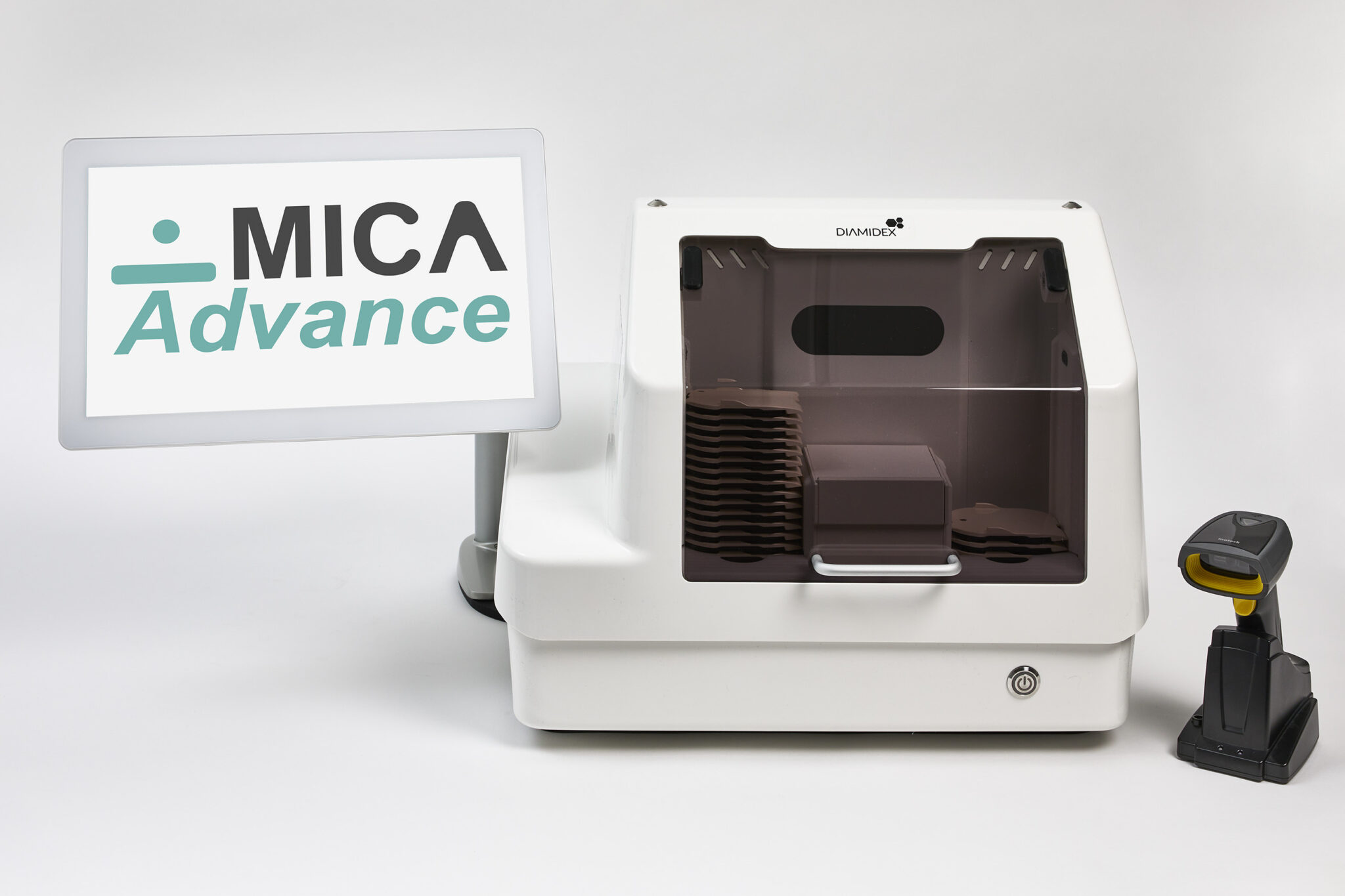
- Microbiological Testing: Routine testing using reliable and rapid methods (such as MICA Advance Alicyclobacillus) allows manufacturers to detect Alicyclobacillus early in the production process.
- Good Manufacturing Practices (GMPs): Adhering to GMPs ensures a hygienic environment and reduces the risk of all types of microbial contamination, including Alicyclobacillus.
- Employee Training: Well-trained staff are crucial for spotting issues early and preventing further contamination.
Conclusion
While Alicyclobacillus can be a significant concern for food and beverage manufacturers due to its ability to spoil products, there is no risk of direct human infection.
The primary objective in controlling Alicyclobacillus is to preserve product quality, uphold consumer satisfaction, and protect brand reputation.
By following rigorous quality control measures and adhering to industry best practices, manufacturers can effectively manage the threat posed by this heat-resistant bacterium, ensuring that consumers enjoy safe, high-quality products.
Our Solution: MICA Advance Alicyclobacillus
MICA Advance Alicyclobacillus supports proactive and efficient Alicyclobacillus management strategies, delivering fast, accurate, and reliable results.
Its advantages include:
- Rapid detection capabilities: Results within 24 hours, enabling swift responses to contamination issues and significantly reducing product spoilage risks.
- Ease of use: Requires minimal expertise, no confirmatory tests, and only one plate per analysis.
- Reliable accuracy: A culture-based method that enumerates Alicyclobacillus aligning with industry standards.
Read our Other Articles
Revolutionizing Legionella Water Testing with MICA Advance
Legionnaires’ Disease Alert: Record-High Case Numbers in Europe
Legionnaires’ Disease Alert: Record-High Case Numbers in EuropeDue to aging or poorly maintained water systems, a growing number of vulnerable seniors, and climate change, the risk of Legionnaires’ disease has risen considerably in recent years. According to the...
Why is Legionnaires’ disease called by that name?
Why is Legionnaires’ disease called by that name? An American Legion convention forever etched in memory It was in July 1976, in the United States, that Legionnaires’ disease—also known as legionellosis— was precisely identified for the first time. That year, the...