
Legionnaires’ Disease Alert: Record-High Case Numbers in Europe
Due to aging or poorly maintained water systems, a growing number of vulnerable seniors, and climate change, the risk of Legionnaires’ disease has risen considerably in recent years.
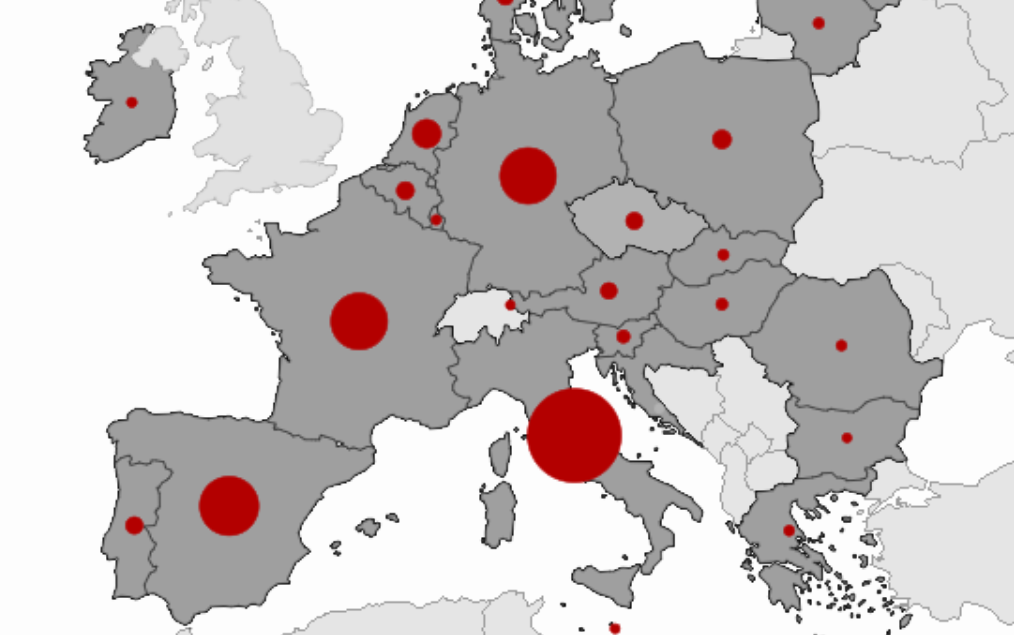
According to the latest European Centre for Disease Prevention and Control (ECDC) report, 2021 saw the highest notification rate ever recorded, with 2.4 cases per 100,000 inhabitants, amounting to 10,723 reported cases, including 704 deaths (a 9% fatality rate).
A Notable Increase Since 2016
Between 2016 and 2018, the number of Legionnaires’ disease cases in the European Union had already almost doubled. Now, this trend has been confirmed, and 2021 sets a new record:
- Four countries—Italy, France, Spain, and Germany—accounted for 75% of all cases.
- Men aged 65 and above were particularly affected, with a notification rate of 8.9 cases per 100,000.
- 77% of cases were community-acquired, while 5% of infections occurred in healthcare settings.
These data highlight the multifactorial nature of the rise in Legionnaires’ disease in Europe: poor infrastructure maintenance, an aging population, extreme weather events, and increased mobility.
Infrastructure and Maintenance at the Heart of the Problem
Insufficient Control Measures
A telling example is Brescia, Italy, in 2018, where authorities only inspected three local companies’ cooling towers after dozens of pneumonia cases appeared. Nine out of ten samples tested positive for Legionella. By the time these samples were collected and analyzed, 405 people had to be hospitalized.
Such a lack of preventive measures recurs in other countries where routine checks of hot water systems and cooling towers (TAR, for tours aéroréfrigérantes in French) are often delayed or insufficient. In Italy, for example, a 2005 study[2] already revealed a high rate of Legionella contamination in hotels: on 75% of surveyed buildings, 60% of samples contained more than 10,000 bacteria per liter (87% of which were Legionella pneumophila), while the regulatory limit is 1,000 bacteria per liter.
Conversely, other countries—such as the United Kingdom, Germany, or France—have long imposed stricter control measures (mandatory reporting, more regular inspections).
Demographic and Climatic Factors Worsening the Situation
An Aging Population Means Greater Vulnerability
According to the ECDC’s 2021 report, older adults and/or immunocompromised individuals remain the most vulnerable. Italy, Germany, and Greece have the highest proportions of seniors (aged 65 and above), which explains why they also report higher case numbers.
The overall aging of Europe’s population suggests an increased future risk if additional preventive steps are not taken.
Climate Change: A Key Factor
Higher temperatures favor the proliferation of Legionella, which thrives between 25°C and 42°C. More frequent heatwaves and extreme events—such as floods and record-breaking temperatures—exacerbate the problem. In 2021, historically high temperatures struck many Western and Southern European countries, correlating with a surge in cases.
The Role of Industrialization and Air Conditioning
In Western Europe, many industries operate numerous high-risk facilities: cooling towers, air-conditioning systems, misting devices, etc. If poorly maintained, these systems can release contaminated aerosols into the air.
In Southern European countries (Spain, Italy, Greece, and southern France), with a warmer climate, there is a high demand for cooling systems such as air conditioners and misters. These devices are also potential hotspots for contamination.
Travel and Transmission
Following the easing of COVID-19 restrictions, travel-related cases rose by 38% in 2021 compared to 2020. Over 74% of these cases occurred between July and October, highlighting the strong seasonality of the disease.
Underdiagnosis Skews the Data
In many parts of Eastern Europe (Romania, Estonia, etc.) and in Greece, Legionnaires’ disease remains underdiagnosed. Data are often incomplete, and infections are rarely reported unless patients require hospitalization or experience severe complications. Additionally, early symptoms—similar to the flu (fever, coughing, body aches)—often lead to misdiagnosis.
Beyond the 11% of culture-confirmed cases (2021 ECDC figure), actual numbers are likely higher, including non-pneumophila Legionella strains.
Prevention: The Most Effective Weapon Against Legionnaires’ Disease
Despite these alarming trends, there is still no vaccine or preventive treatment for Legionnaires’ disease. Health authorities therefore focus on prevention:
- Regular Maintenance of Facilities
-
- Perform routine disinfection and cleaning of pipes, showers, taps, air-conditioning units, etc.
- Conduct checks on cooling towers and ensure the correct level of biocides.
- Monitor water temperature (keep hot water above 50°C and cold water below 20°C).
- Self-Monitoring Tests
- Rapid, reliable, and cost-effective tests allow for swift action in case of contamination.
- On-site (or “in situ”) testing detects Legionella bacteria and triggers any necessary immediate response.
- Awareness and Training
- Educate professionals in relevant sectors (hospitality, collective accommodations, industrial facilities) and the general public about Legionnaires’ disease risks.
- Encourage more systematic mandatory reporting to improve epidemiological surveillance.
- Adapting Equipment to Climate Change
- Optimize cooling systems to reduce water stagnation.
- Implement additional protections during heatwaves.
Conclusion
Aging infrastructure, climate change, and a rising number of vulnerable individuals have made Legionnaires’ disease a major public health challenge in Europe. The ECDC’s 2021 data—10,723 cases and 704 deaths—confirm an upward trend that began several years ago.
Prevention and enhanced monitoring remain the best defenses: self-monitoring tests, proper facility maintenance, and widespread awareness are crucial to containing bacterial spread and protecting the most at-risk populations.
Sources
- European Centre for Disease Prevention and Control, 2021 Annual Epidemiological Report.
- Borella P, Montagna MT, Stampi S, et al. Legionella contamination in hot water of Italian hotels. Appl Environ Microbiol. 2005;71(10):5805–5813. doi:10.1128/AEM.71.10.5805-5813.2005
- European Commission, COMMISSION STAFF WORKING DOCUMENT – Review of available information (Heating and Cooling Strategy), February 2016,
- Kyritsi MA, Mouchtouri VA, Katsioulis A, et al. Legionella Colonization of Hotel Water Systems in Touristic Places of Greece: Association with System Characteristics and Physicochemical Parameters.
- Cover image: ECDC, Atlas of Legionnaires’ disease, accessed July 3, 2019.
Our Solution: MICA Advance Legionella
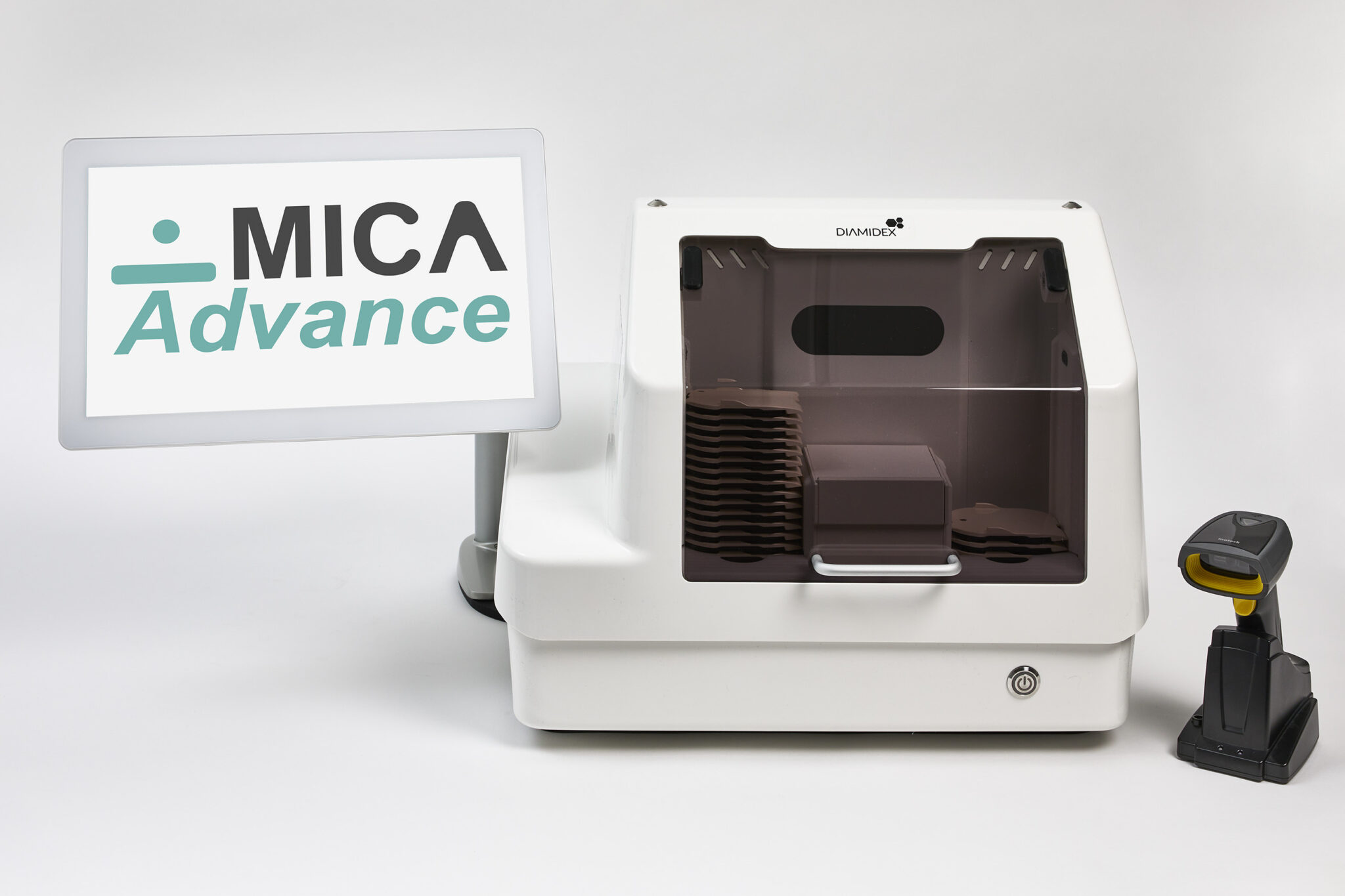
MICA Advance Legionella supports proactive and efficient Legionella management strategies, delivering fast, accurate, and reliable results.
Its advantages include:
- Rapid detection capabilities: Results within 48 hours, enabling swift responses to contamination risks and significantly reducing exposure windows.
- Ease of use: Requires minimal expertise, no confirmatory tests, and only 1 GVPC plate per analysis.
- Reliable accuracy: A cultural method that detects Legionella pneumophila serogroups with thresholds of 1,000 CFU/L (48 hours), meeting AOAC certification standards.
Read our Other Articles
Revolutionizing Legionella Water Testing with MICA Advance
Why is Legionnaires’ disease called by that name?
Why is Legionnaires’ disease called by that name? An American Legion convention forever etched in memory It was in July 1976, in the United States, that Legionnaires’ disease—also known as legionellosis— was precisely identified for the first time. That year, the...
Risk Management Strategy for Legionella in Domestic Hot Water
Risk Management Strategy for Legionella in Domestic Hot WaterTo prevent contamination by Legionella pneumophila in domestic hot water systems, regular testing, temperature control, and rapid-response strategies are essential. Here’s a practical and proactive...